See what is alive in your soil.
We look at your soil under a microscope, count the bacteria, fungi and other life, and explain what it means in plain language.
Replenished Roots is the other half of the loop begun by our sister company, Treasure Coast Compost. When Bio-Complete Soil goes into the ground, we measure what is actually living there.
Martin County and the Treasure Coast, Florida
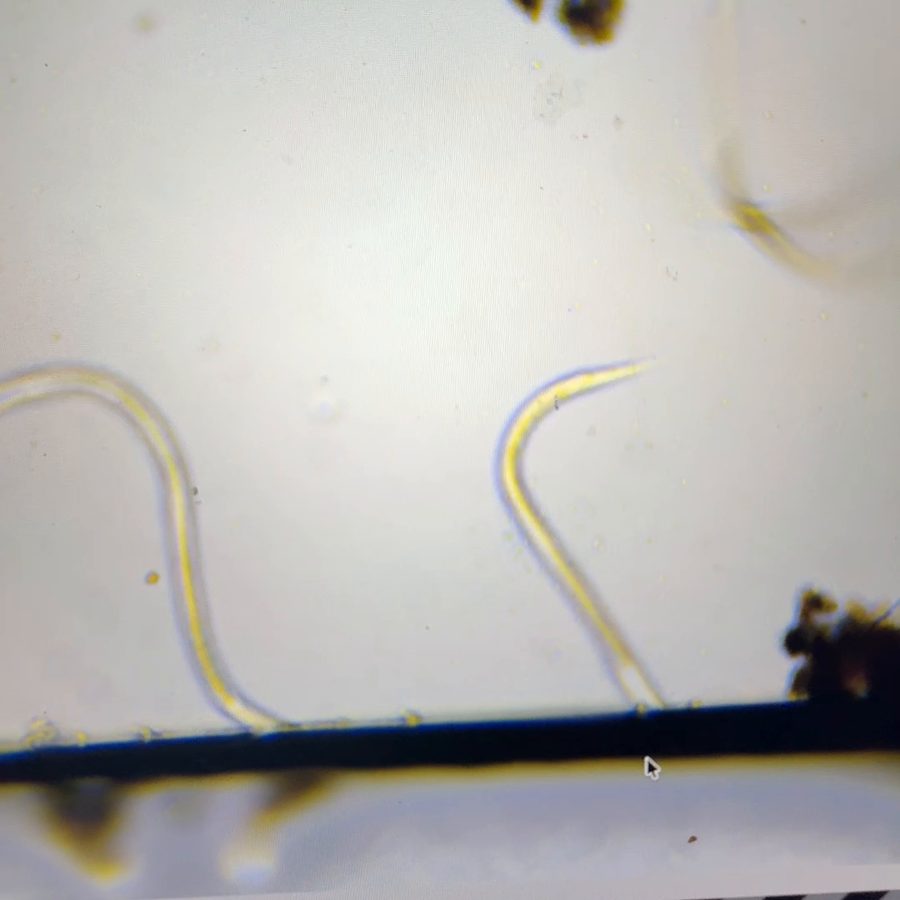
Why it matters what is alive.
Every plant has its own requirement for the balance of fungi to bacteria in the soil.
That balance is one of the things a soil test measures. We count the fungi and the bacteria in your sample and report the ratio, so you know where your soil stands today.
The balance we measure in every sample. Illustration only, not a real sample.
Soil is a living thing. Here is what we count.
Bacteria
How much is there, and how much of it is active.
Fungi
How long the fungal strands run, and how dense they are.
Protozoa
Flagellates, amoebae and ciliates that graze on bacteria.
Nematodes
The microscopic worms, counted by what they feed on.
Bagged is not the same as alive.
Two soil products can look identical in the bag and be very different in the ground.
A typical bagged product
Made to be stored and shipped. The label tells you what went into it, not what is living in it, and it is rarely examined for living biology.
Bio-Complete Soil
Made in managed piles from local food scraps and used fresh. We examine it under the microscope, so we can show you the bacteria, fungi, protozoa and nematodes it carries.
The organisms are what turn organic matter into forms plants can use. So we think you should be able to see them before you put anything on your ground.
How it is made matters: aerobic or anaerobic
Piles are turned and aerated so oxygen-loving organisms do the work. It heats up, smells earthy and finishes clean.
Different organisms take over. It turns sour and smelly, and can produce compounds that stress plant roots.
General aerobic-decomposition principles. It is why we turn our piles and brew our tea and extract with air.
Why soil biology matters in Florida
Florida’s sandy soils are naturally low in organic matter, lower than much of the northern U.S. Organic matter is what helps sandy soil hold water and nutrients.
It is the living organisms in the soil, the bacteria and fungi, that turn organic matter into forms plants can use. So the useful question is not only what you put on the ground, but what is alive in it. That is what we measure.
Sources: UF/IFAS Extension, soil organic matter · University of Minnesota Extension, compost and soil organic matter
Simple, published prices
Every test comes with a written report that explains the results in plain language.
First conversation is always free.
Site visit included.
How it works
Consultation
We learn about your land: what you grow, what has worked and what has not. The first conversation is always free.
Sampling
We visit your property, take soil samples and record what we see on site.
Analysis
The samples are examined under the microscope: bacteria, fungi, protozoa and nematodes.
Report
You receive a written report, usually within a week, that says what is living in your soil and what that suggests. A follow-up test later shows what changed.
What we work with
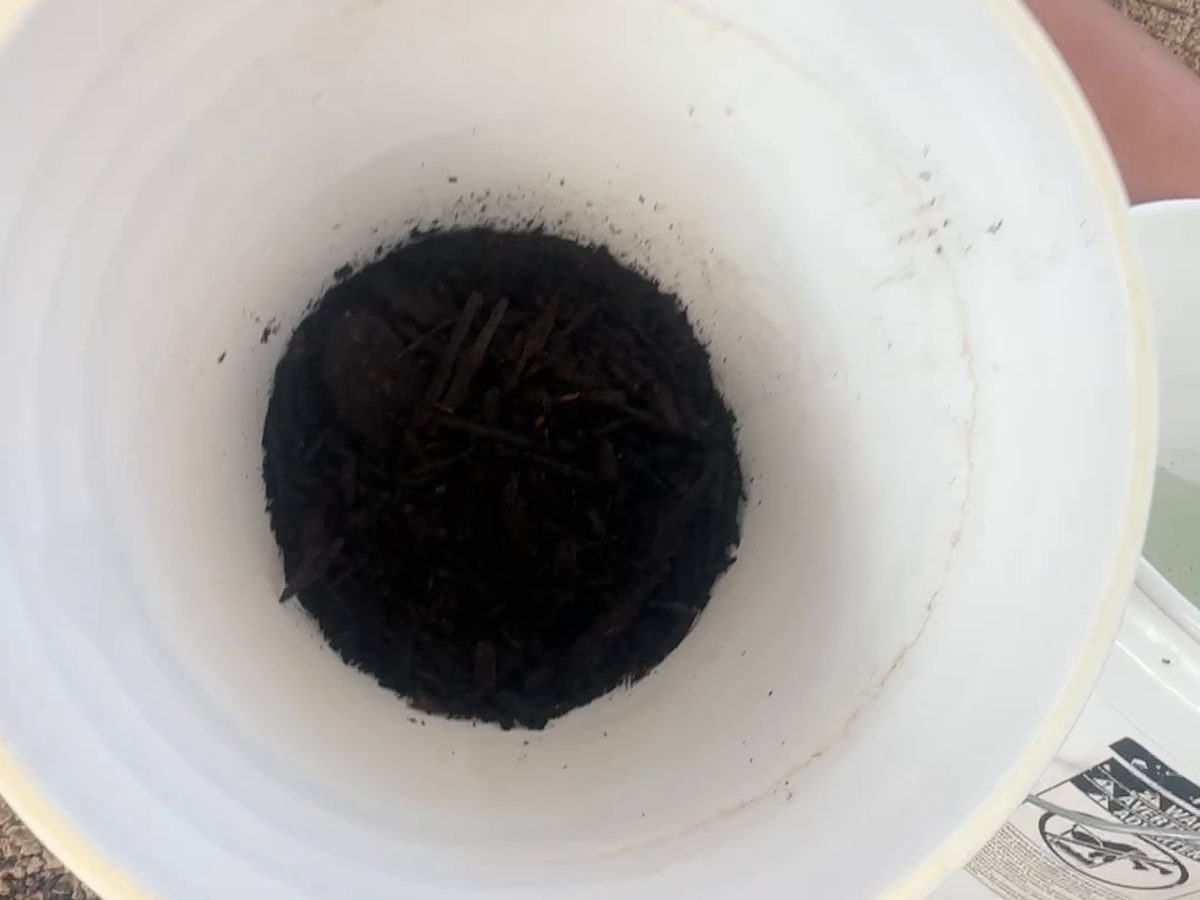
If you choose to add biology to your soil, we use products made from local food scraps by our sister company, Treasure Coast Compost.
- Bio-Complete Soil: turned and finished in managed piles
- Bio-Complete Tea: brewed fresh and used fresh
- Bio-Complete Liquid Extract: brewed fresh and used fresh
- Charged biochar: biochar soaked in Bio-Complete Tea
We document every input we use. If you farm under organic certification, clear any input with your certifier first.
Buying in bulk?
Nurseries, market gardens, farms and landscapers can buy Bio-Complete Liquid Extract in bulk, and finished Bio-Complete Soil by the yard. Pricing is on request.
- Liquid extract: 5-gallon, 55-gallon and larger. Brewed fresh, so we deliver close to when it is made.
- Finished Bio-Complete Soil: bulk, by the yard.
- Custom blends matched to your soil test and what you grow.
Questions people ask
How long until I get results?
You get your soil report within about a week. Changes in the soil itself vary by property and by season, so we compare a follow-up test against your first one and show you what actually changed.
What does a microscope test include?
We look at bacteria, fungi, protozoa and nematodes, work out the fungal-to-bacterial ratio, and send you a written report with what we found.
Do you use synthetic chemicals?
No. We do not use synthetic fertilizers, herbicides or pesticides. Everything we apply is biological.
I have been on a chemical program for years. Is it too late?
This is the most common situation we see. A baseline test shows where your soil is starting from, so nothing is guesswork. Many farmers begin with a single trial parcel.
How does this connect to Treasure Coast Compost?
They are our sister company. They make the products from local food scraps. We test soil and, if you want, apply them.
The people
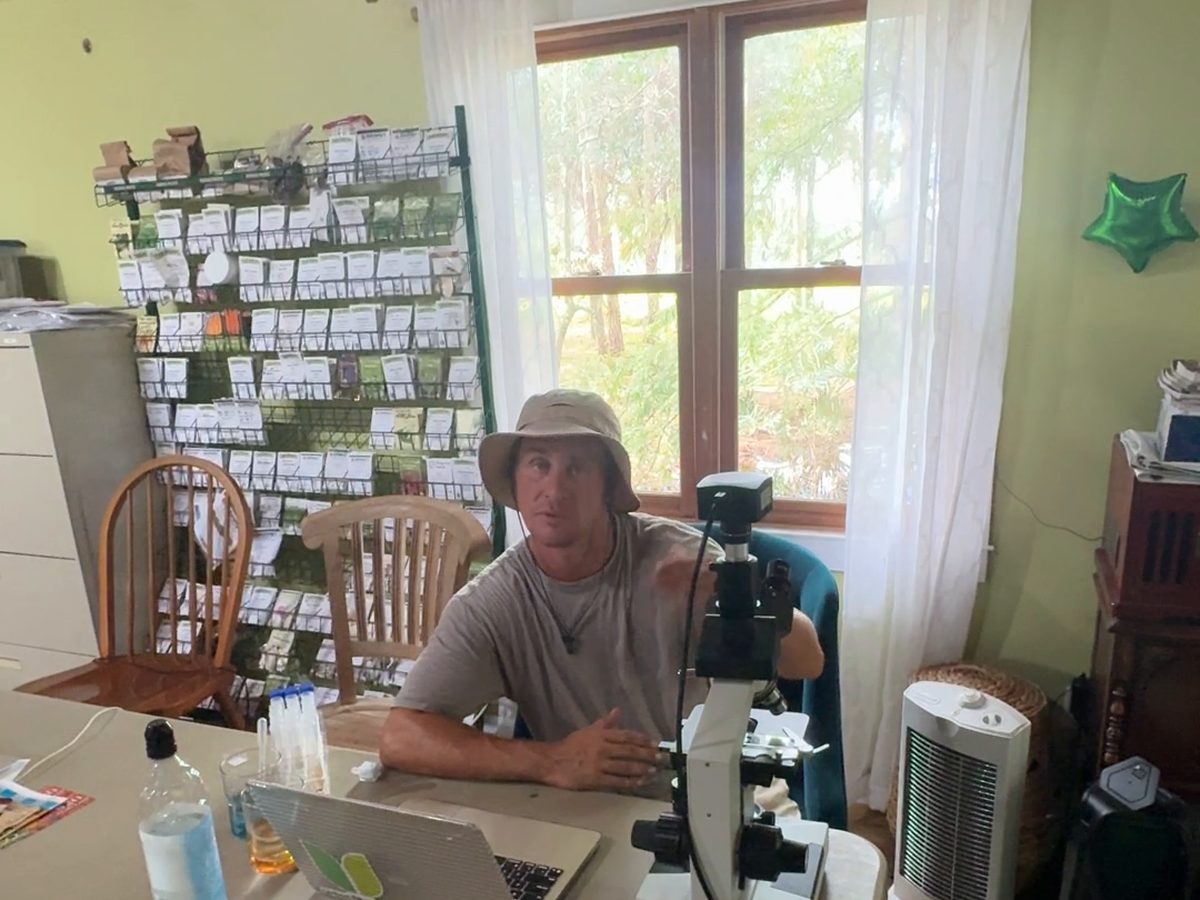
Jake Friesz
Co-founder. Leads the microscope work and writes the reports.
Jeff Garinger
Co-founder. Business and operations.
Book a soil test
Pick what you are interested in and tell us a little about your property. We will reach out to set up a conversation.
Prefer to talk? 303-513-3432
Thank you. We got it.
We will review what you shared and reach out soon.